


Reinforced Concrete Specialists, London
Reinforced Concrete Construction Experts
Reinforced Concrete Construction Experts
Reinforced concrete (RC) is the backbone of modern basement construction. When designed by structural engineers and constructed by specialist teams, reinforced concrete delivers structures of outstanding strength, durability and waterproofing performance – qualities that are essential in the demanding underground environment of a London basement.
Advantage Basements & Renovations brings specialist reinforced concrete expertise to every basement project. We combine rigorous structural design with skilled site execution to deliver RC structures that will perform reliably for the lifetime of the building.

“Nothing was ever too much trouble and the
finish is exemplary.”
— Former Customer
Reinforced Concrete Design Expertise in London
Our structural engineers are highly experienced in the design of reinforced concrete basements. We design RC walls, slabs, columns and beams that are appropriate for the specific demands of each project – accounting for ground pressures, water tables, imposed loads and durability requirements. Reinforcement layouts are detailed to ensure buildability and structural adequacy. Concrete specifications are selected to deliver the required strength, durability and impermeability.
Our designs comply fully with Eurocode standards and British Standards, and are prepared and checked by engineers with specific expertise in substructure and basement construction.
Structural Works Services
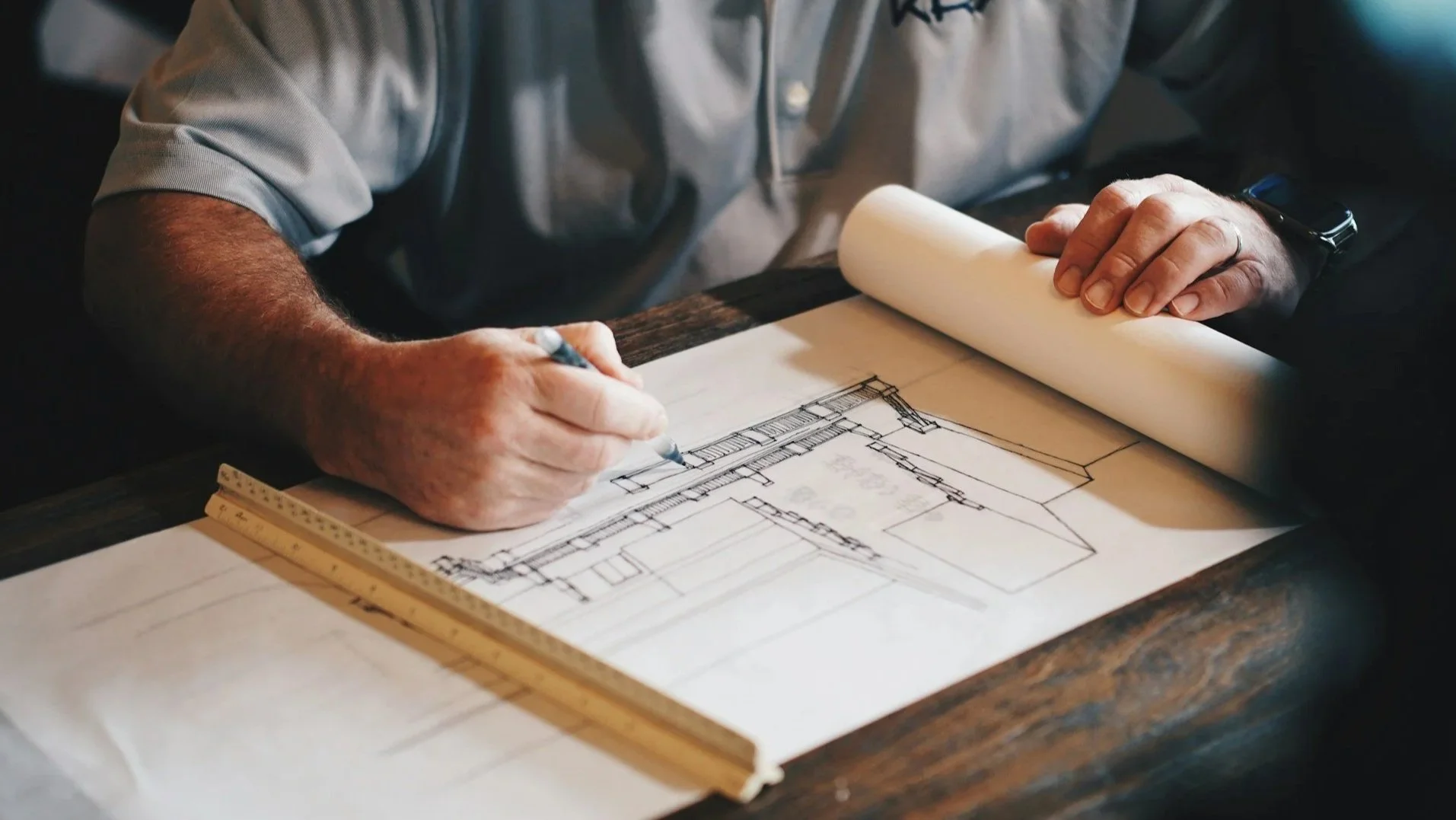
Specialist RC Construction in London
The quality of reinforced concrete construction depends on the skill and care of the site team implementing it. Our experienced reinforced concrete construction teams work to precise specifications, placing and tying reinforcement with accuracy, installing formwork to produce the required concrete profile and surface finish, and managing concrete pours to avoid cold joints and achieve consistent quality throughout.
We maintain rigorous quality control procedures throughout the reinforced concrete construction process – monitoring concrete delivery and placement, undertaking test cubing and slump testing and conducting systematic inspections of reinforcement before pours. This commitment to quality is reflected in the performance of the structures we build.

Waterproof Reinforced Concrete Construction in London
For basement structures, the waterproofing performance of the RC construction is critical. We specify and construct reinforced concrete with integral water-resisting properties, using dense concrete mixes, low water-cement ratios and admixtures that reduce permeability. Construction joints – always a potential weakness in water-resistant construction – are detailed and treated with particular care. Contact us to discuss your reinforced concrete requirements.
FAQs
What is the difference between reinforced concrete and plain concrete?
1
Reinforced concrete contains steel reinforcement bars (rebar) that provide tensile strength. Plain concrete relies solely on its compressive strength.
Concrete is excellent in compression, but weak in tension – steel reinforcement is placed where tensile stresses occur (typically at the bottom of beams and on the face of walls away from applied loads) to resist these forces. The combination creates a composite material that is strong in both compression and tension, ideal for structural elements subject to bending, shear and tensile loads.
All basement walls, floor slabs and suspended slabs are reinforced concrete structures, with reinforcement layouts designed specifically for the loads and conditions each element must resist.
How do you ensure quality in reinforced concrete construction in London?
2
Quality control in RC construction is maintained through multiple measures:
Reinforcement is installed strictly in accordance with structural drawings, with bar sizes, spacing and cover dimensions checked before concrete is placed
Concrete specifications are confirmed with the ready-mixed supplier, and delivery tickets are checked on arrival to verify the correct mix is being used
Slump tests ensure workability is appropriate for the application
Concrete pours are planned and executed to avoid cold joints, and vibration is used to ensure full compaction
Test cubes are taken during pours and tested at specified intervals to confirm strength development
Our site and structural engineers provide technical oversight throughout, ensuring construction quality aligns with design intent.
Can reinforced concrete in London be waterproof?
3
Yes, properly specified and constructed reinforced concrete can achieve excellent waterproofing performance – often referred to as Type B waterproofing under BS 8102:2022, the Code of Practice for Protection of Below Ground Structures Against Water from the Ground.
Water-resistant concrete uses dense concrete mixes with low water-cement ratios and appropriate admixtures to minimise permeability. Construction joints – the junctions between successive concrete pours – are detailed with waterstops or joint sealing systems to prevent water infiltration at these potential weak points.
Surface treatments such as crystalline waterproofing can further enhance performance. Although RC alone can achieve good waterproofing, we often combine Type B structurally integral protection with Type A barriers or Type C drainage systems to provide defence in depth for the most demanding applications.