


Loft Conversions, London
Premium Residential Loft Conversion Specialists
Premium Residential Loft Conversion Specialists
A loft conversion is one of the most popular and cost-effective ways to add a significant amount of premium floor space to a London property. Converting an unused roof space into a beautifully designed bedroom suite, home office or family room can transform how you use your home and deliver a strong return on your investment.
Advantage Basements & Renovations brings the same commitment to quality and the same end-to-end project management capability to loft conversions as to our basement work – ensuring that your loft conversion is designed, planned and built to the highest standard.
Types of Loft Conversion
The most appropriate type of loft conversion for your property depends on its roof structure, the head height available and your planning requirements:
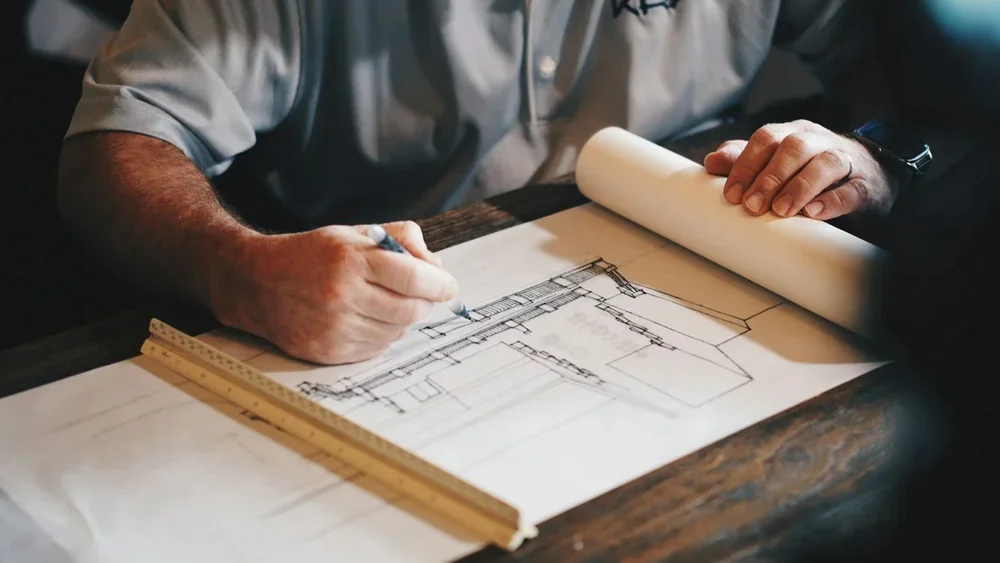
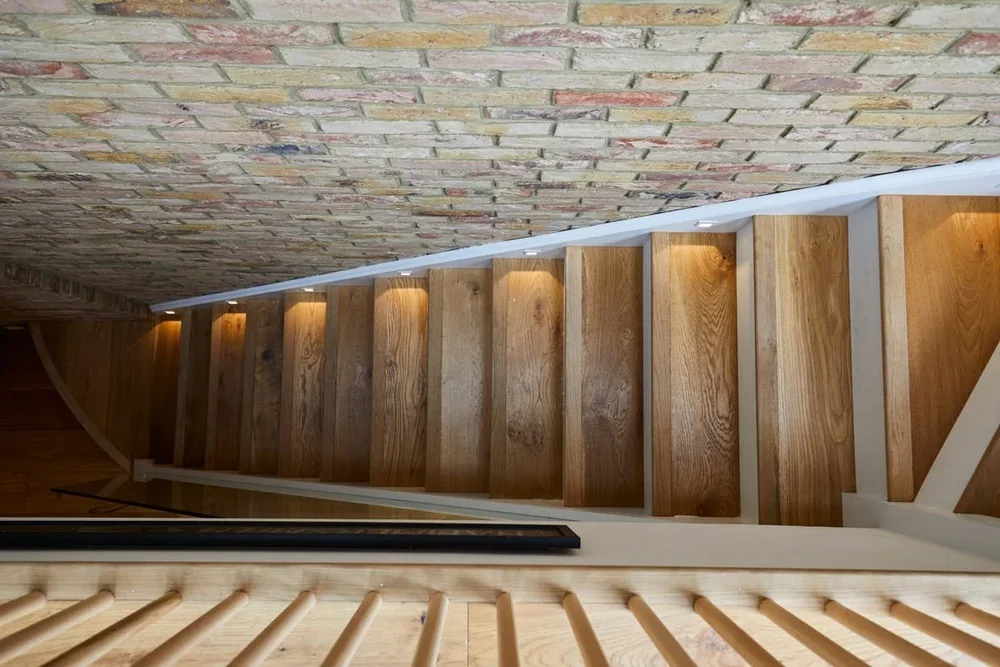
Our architectural team assesses your property and advises on the most suitable conversion type, balancing the space created against planning prospects and construction cost.
-
Dormer loft conversions extend the roof at the rear, creating additional floor area and full standing height over a larger portion of the space
-
Hip-to-gable conversions alter the roof form of semi-detached or detached properties, creating a vertical gable wall and maximising the usable space within
-
Mansard conversions create a near-vertical rear roof slope, often resulting in the greatest amount of additional floor area
-
Rooflight or Velux conversions require no structural alteration to the roof form, offering a simpler, faster and less costly route to a converted loft where head height is already sufficient
Design, Planning and Construction of Loft Conversions in London
We manage every aspect of your loft conversion – architectural design and planning application, structural design for the new floor and any alterations to the roof structure, applications for Building Regulations approval and full construction and fit-out. Our integrated team coordinates all trades throughout the construction process, minimising disruption to your daily life and ensuring that the conversion is completed on programme.
Our interior design service extends to loft conversions, creating finished spaces that are as thoughtfully designed as they are well built. From the specification of roof lights and flooring to the design of bespoke storage and en suite bathrooms, we deliver loft conversions that feel like a genuinely integral part of your home.
Building Works
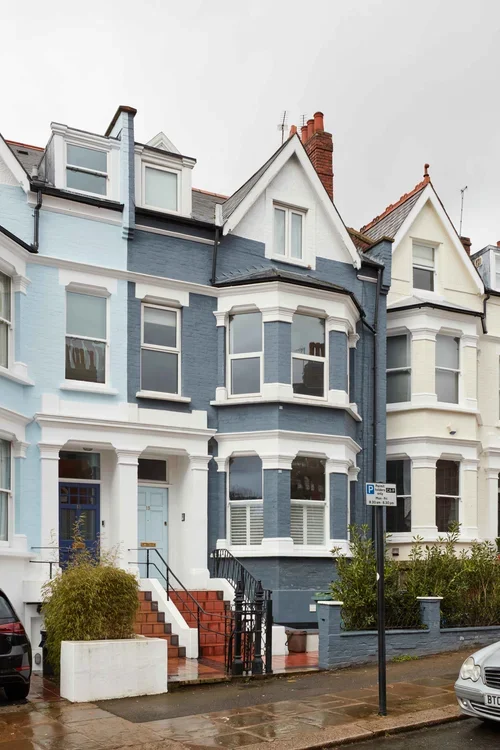
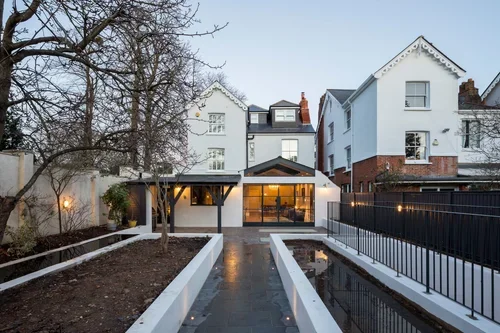
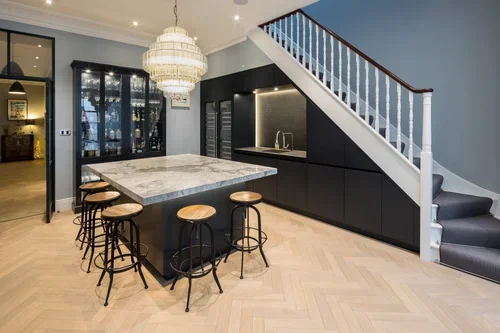
Add a New Dimension to Your Home with a London Loft Conversion
Contact Advantage Basements & Renovations to explore the potential of your roof space and discover how a loft conversion could transform your London property.
FAQs
Do I need planning permission for a loft conversion in London?
1
Many loft conversions can be undertaken under permitted development rights without requiring planning permission, provided they meet certain criteria:
Volume added does not exceed permitted limits
No extension beyond the existing roof slope on the principal elevation
Dormer windows on the rear slope only (not visible from the street)
Materials match the existing house
The property is not in a conservation area or listed
However, many loft conversions in London do require planning permission – particularly those with front dormers, those exceeding permitted development volume limits and those affecting listed buildings or properties in conservation areas.
Our planning team assesses your specific circumstances and advises whether planning permission is required, managing the application process if necessary.
What ceiling height do you need for a loft conversion in London?
2
Building Regulations require a minimum ceiling height of 2.3 metres for habitable loft rooms, measured to the underside of any beams or purlins. For a loft conversion to be practical, you ideally need at least 2.3m of clear height at the roof ridge. This allows usable space on either side of the ridge once the floor structure and ceiling finishes are installed.
Properties with lower ridge heights may still be convertible through the installation of dormers or roof alterations that increase the volume of usable space. Our architects survey your roof space and advise on the practical ceiling height achievable and whether any roof alterations are necessary to create a comfortable, well-proportioned loft room.
How long does a loft conversion take?
3
A typical loft conversion takes 8–12 weeks from on-site commencement to practical completion, depending on the complexity of the project and the type of conversion.
Simpler Velux conversions with minimal structural alterations can sometimes be completed in 6–8 weeks. More complex dormer or mansard conversions that involve substantial roof alterations and the construction of new structural elements typically require 10–14 weeks.
This timescale includes all structural works, installation of stairs, first-fix and second-fix services, plastering and decoration and final finishing. Loft conversions are generally less disruptive than basement projects, as much of the work is confined to the roof space. However, some disruption to upper-floor rooms is inevitable during stair installation and first-fix works.